Brady-Handy Collection
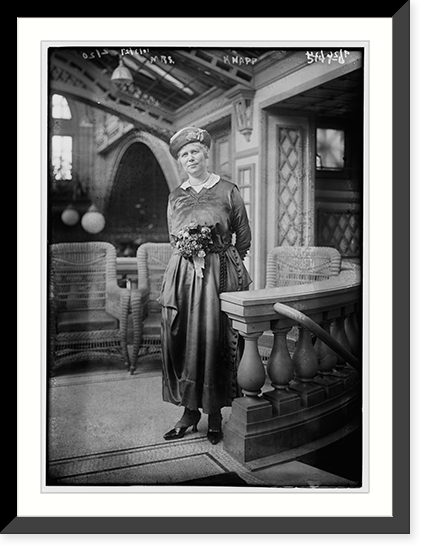
Levin Handy was Mathew Brady's nephew, apprenticed to him at twelve, and he inherited what was left of the most famous photographic operation in America after Brady's own business collapsed.
The Brady-Handy collection is what survived that collapse and what Handy added over his own long career in Washington. It runs to several thousand glass negatives and it is, essentially, the face of the Civil War generation in and around the capital — presidents, generals, senators, cabinet officers, judges, inventors, and their wives and daughters.
Brady's method was worth the fame. He kept a portrait gallery on Pennsylvania Avenue and made a business of photographing anyone of consequence, then selling the prints. The subject sat for a session, the negative stayed with the studio, and the studio sold copies for as long as anyone wanted them. He effectively invented the celebrity portrait as a commercial product.
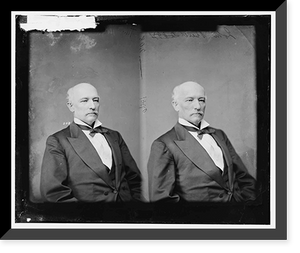
The carte de visite is the format that made the business work. A small albumen print on a card mount, cheap enough to buy by the dozen and sized to slot into an album, it created a mania for collecting portraits of public figures alongside your own family. Brady supplied both ends of that trade.
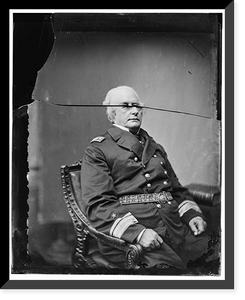
The sitters look uncomfortable and there is a technical reason. Exposures ran to several seconds even in good light, and an iron headrest gripped the back of the skull to keep it still. What reads now as Victorian gravity is often just a man being held in a clamp trying not to blink.
The technology moved underneath the studio during its lifetime, which is visible in the file. Daguerreotypes on silvered copper give way to ambrotypes on glass, then to albumen prints from wet plates, then to gelatin dry plates that finally allowed a portrait without a clamp. The sitters relax as the exposures shorten, and you can watch it happen decade by decade.
Lincoln sat for the studio more than once and those are the best-known images in the collection, including portraits used for the five-dollar bill and the penny. Grant, Sherman, Sheridan, Custer, Clara Barton, Frederick Douglass and Robert E. Lee are all here — Lee photographed by Brady on his own back porch in Richmond days after the surrender, which took some nerve to ask for.
Handy carried the studio into the twentieth century and photographed a Washington that Brady would not have recognized, so the collection spans from the daguerreotype era to the automobile.
The negatives came to the Library of Congress in 1954 from Handy's daughters, which is late enough that a good deal had already been lost. What remains is in unusually good condition, because it stayed in one family's hands rather than passing through dealers.
Brady’s own ending is part of the story. He mortgaged everything to photograph the war, expecting Congress to buy the archive. Congress eventually paid him twenty-five thousand dollars, years late and long after his creditors had taken the studio. He died in a New York charity ward in 1896 with the country’s visual memory of its own war sitting in boxes he no longer owned.
One caution on attribution. A portrait from the Brady gallery was rarely taken by Brady himself — his eyesight was failing by the 1850s and he employed operators. The signature is a business, not a hand.
The Working Archive






-

 Snapshots of the Past
Vintage Portrait - Rev. Hardenberg - Vintage Wall Art Gift
Step back in time with this striking reproduction of Rev. Hardenberg. Sourced from the United States Library of Congress.Library of Congress record: Created 1855 Title from unverified information on...$57.00 -
 Snapshots of the Past
Antique Portrait - Rev. H. F. Pease - Great Gift for History Buffs
Step back in time with this striking reproduction of Rev. H. F. Pease - 3. Sourced from the United States Library of Congress.Library of Congress record: Created 1855 Title from unverified...$57.00 -
 Snapshots of the Past
Historic Portrait - Rev. George R. Brophy - Great Gift for History Buffs
This rare historical print captures Rev. George R. Brophy in remarkable detail. Sourced directly from the Library of Congress, it represents an authentic piece of documented history.Library of...$57.00 -
 Snapshots of the Past
Vintage Portrait - Rev. Father Chas. Fulmar - Vintage Wall Art Gift
This rare historical print captures Rev. Father Chas. Fulmar in remarkable detail. Sourced directly from the Library of Congress, it represents an authentic piece of documented history.Library of...$57.00 -
 Snapshots of the Past
Vintage Portrait - Rev. F. E. Lavorends - Historic Wall Art Gift
Step back in time with this striking reproduction of Rev. F. E. Lavorends. Sourced from the United States Library of Congress.Library of Congress record: Created 1855 Title from unverified...$57.00 -
 Snapshots of the Past
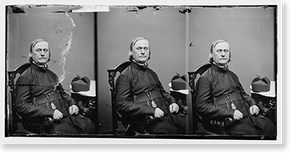
Antique Portrait - Rev. E. U. Chapin - Great Gift for History Buffs
Originally preserved in the Library of Congress, this print of Rev. E. U. Chapin - 2 is now available for your home or office. The Library has preserved this image as part of its permanent historical...$57.00 -
 Snapshots of the Past
Vintage Portrait - Rev. E. M. Pett - Great Gift for History Buffs
Step back in time with this striking reproduction of Rev. E. M. Pett ? Classic. Sourced from the United States Library of Congress.Library of Congress record: Created 1855 Title from unverified...$57.00 -
 Snapshots of the Past
Vintage Portrait - Rev. E. L. James - Antique Wall Decor Print
Originally preserved in the Library of Congress, this print of Rev. E. L. James - 3 is now available for your home or office. The Library has preserved this image as part of its permanent historical...$57.00 -
 Snapshots of the Past
Antique Portrait - Rev. David Leavitt - Vintage Home Decor Print
Step back in time with this striking reproduction of Rev. David Leavitt - 2. Sourced from the United States Library of Congress.Library of Congress record: Created 1855 Title from unverified...$57.00 -
 Snapshots of the Past
Historic Portrait - Rev. D. R. Goodwin of PA - Great Gift for History Buffs
Originally preserved in the Library of Congress, this print of Rev. D. R. Goodwin of PA - 3 is now available for your home or office. The Library has preserved this image as part of its permanent...$57.00 -
 Snapshots of the Past
Historic Portrait - Rev. D. R. Goodwin of PA - Vintage Wall Art Gift
Originally preserved in the Library of Congress, this print of Rev. D. R. Goodwin of PA is now available for your home or office. The Library has preserved this image as part of its permanent...$57.00 -
 Snapshots of the Past
Historic Portrait - Rev. Crooks - Vintage Home Decor Print
This rare historical print captures Rev. Crooks - 2 in remarkable detail. Sourced directly from the Library of Congress, it represents an authentic piece of documented history.Library of Congress...$57.00