Buffalo
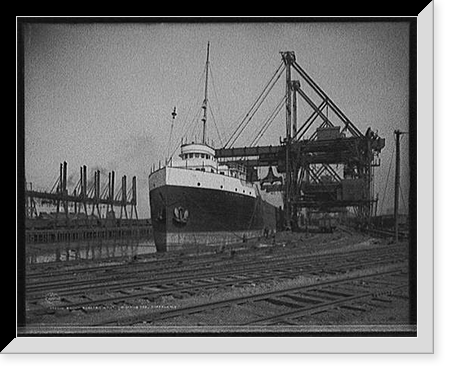
Buffalo existed because the Erie Canal ended here in 1825. Everything grown west of the Appalachians that was going to New York came through this harbor, and by the 1860s Buffalo was the largest grain-transfer port in the world.
The grain elevator was invented here in 1843 — Joseph Dart's steam-powered marine leg, which lifted grain out of a ship's hold mechanically instead of by men with shovels. The concrete elevators that followed are among the most photographed industrial structures in America, and European modernist architects treated them as revelations. Le Corbusier published photographs of Buffalo elevators as examples of pure form.
The Pan-American Exposition of 1901 was lit by hydroelectric power from Niagara, twenty-five miles away, and that was the point of it. The Electric Tower carried forty thousand bulbs. Visitors came specifically to see a place lit at night, and the photographs of it are the reason the fair is remembered.
It is also where President McKinley was shot, on 6 September 1901, in the Temple of Music. He died eight days later and Theodore Roosevelt was sworn in at a house on Delaware Avenue. Photographs of the Temple of Music are ordinary until you know, and then they are not.
Frederick Law Olmsted designed a park system here — not a park, a system, with parks connected by landscaped parkways, and he considered it his best work of that kind. Delaware Park, the Parade, and the circles and avenues linking them appear throughout the residential photography.
The architecture is unusually good for the city's size. Sullivan's Guaranty Building of 1896, Richardson's Buffalo State Hospital, and later Wright's Darwin Martin House. Buffalo was rich and knew what to spend it on.
Around five hundred and eighty images name Buffalo.
The Harbor, the Hotel and the Fair That Built a Park





-

 Snapshots of the Past
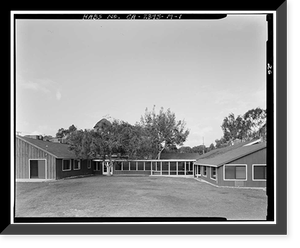
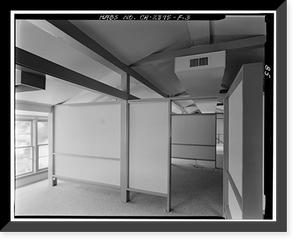
Vintage Building Photo - Irvine, California - Buffalo Ranch, Connecting
This rare historical print captures Buffalo Ranch, Connecting Building, 2418 MacArthur Boulevard, Irvine, Orange County, CA in remarkable detail. Sourced directly from the Library of Congress, it...$57.00 -
 Snapshots of the Past
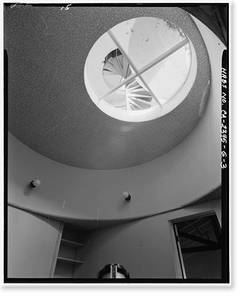
Historic Architecture - Irvine, California - Buffalo Ranch, Silo
Originally preserved in the Library of Congress, this print of Buffalo Ranch, Silo Building, 2418 MacArthur Boulevard, Irvine, Orange County, CA - 3 is now available for your home or office. The...$57.00 -
 Snapshots of the Past
Historic Architecture - Irvine, California - Buffalo Ranch, Buffalo (2)
Drawn from the Library of Congress archive, this print depicts Buffalo Ranch, Buffalo Ranch Building, 2418 MacArthur Boulevard, Irvine, Orange County, CA - 3. The Library holds one of the most...$57.00 -
 Snapshots of the Past
Historic Architecture - Irvine, California - Buffalo Ranch, Buffalo (1)
Drawn from the Library of Congress archive, this print depicts Buffalo Ranch, Buffalo Ranch Building, 2418 MacArthur Boulevard, Irvine, Orange County, CA. The Library holds one of the most...$57.00 -
 Snapshots of the Past
Antique Architecture - Irvine, California - Buffalo Ranch, Office
Originally preserved in the Library of Congress, this print of Buffalo Ranch, Office Building, 2418 MacArthur Boulevard, Irvine, Orange County, CA - 7 Classic is now available for your home or office...$57.00 -
 Snapshots of the Past
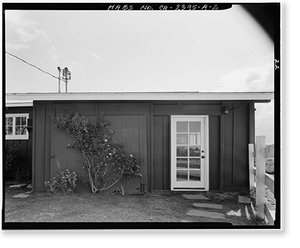
Vintage Building Photo - Irvine, California - Buffalo Ranch, Garage
This rare historical print captures Buffalo Ranch, Garage, 2418 MacArthur Boulevard, Irvine, Orange County, CA - 2 in remarkable detail. Sourced directly from the Library of Congress, it represents...$57.00 -
 Snapshots of the Past
Vintage Building Photo - Irvine, California - Buffalo Ranch, 2418 (2)
This rare historical print captures Buffalo Ranch, 2418 MacArthur Boulevard, Irvine, Orange County, CA - 3 Classic in remarkable detail. Sourced directly from the Library of Congress, it represents...$57.00 -
 Snapshots of the Past
Vintage Building Photo - Irvine, California - Buffalo Ranch, 2418 (1)
This rare historical print captures Buffalo Ranch, 2418 MacArthur Boulevard, Irvine, Orange County, CA in remarkable detail. Sourced directly from the Library of Congress, it represents an authentic...$57.00 -
 Snapshots of the Past
Antique Photo Print - Buffalo - zoo - Great Gift for History Buffs
Originally preserved in the Library of Congress, this print of Buffalo zoo is now available for your home or office. The Library has preserved this image as part of its permanent historical...$57.00 -
 Snapshots of the Past
Vintage Americana Print - Buffalo - hunt in the wild west
Originally preserved in the Library of Congress, this print of Buffalo hunt in the wild west Classic is now available for your home or office. The Library has preserved this image as part of its...$57.00 -
 Snapshots of the Past
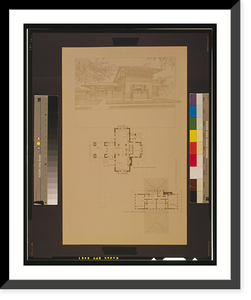
Historic Photo Print - Buffalo - Wohnhaus für Herrn Martin
Step back in time with this striking reproduction of Wohnhaus für Herrn Martin, Buffalo, N.Y..Frank Lloyd Wright. Classic. Sourced from the United States Library of Congress.Library of Congress...$57.00 -
 Snapshots of the Past
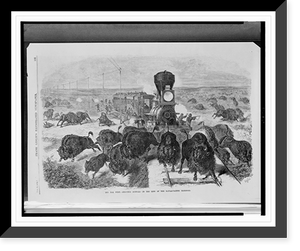
Antique Railway Print - Buffalo - The far west - shooting on the line
Historic Framed Print, The far west - shooting buffalo on the line of the Kansas-Pacific Railroad.Bghs., 17-7/8" x 21-7/8", Image: 16" x 20"Beautiful historic reproduction print from the Library of...$57.00