
Get Well
The get-well card exists because for about eighty years Americans spent a very long time being sick in a way that was neither hospital care nor ordinary life.
Before antibiotics, recovery from serious illness was measured in months. Tuberculosis was the leading cause of death in the country into the twentieth century, and the standard treatment was rest, altitude and fresh air. That produced an entire architecture — sanatoria in the Adirondacks, in Colorado, in the Southwest, with open sleeping porches where patients lay wrapped in blankets through the winter. Saranac Lake and Colorado Springs were built substantially on this trade. Photographs of rows of beds on an open porch in the snow are the visual signature of the era.
The same held at home. A convalescent occupied a room, then a chair by a window, then a porch, for weeks, and the household arranged itself around them. Influenza in 1918 and 1919, polio through the 1910s to the 1950s, rheumatic fever, typhoid, and the ordinary run of childhood diseases all meant a long stretch of being confined and visited.
That is the market a card was written for. It was not a two-day cold. It was somebody you were not going to see for a month.
The industry grew up around it. Postcards had made a habit of sending printed messages universal in the 1900s, and the folded greeting card with an envelope arrived in the 1910s. Hallmark began as a postcard jobber in Kansas City in 1910 and moved to cards; American Greetings started in Cleveland at about the same time. By the 1920s the get-well category was a standard part of every line, alongside birthday, sympathy and friendship.
The imagery settled fast and it is worth knowing what it drew on, because that is what this category holds. Flowers, overwhelmingly — roses, violets, pansies, forget-me-nots, printed from the same lithographic stock that supplied every other sentimental use. Open windows and sunlight. Gardens. Birds. Country lanes. Cheerful domestic interiors. The whole visual vocabulary is about being outside when you cannot go outside.
There is also a serious documentary record that belongs here. Hospital wards photographed for annual reports and fundraising. Visiting nurses on tenement stairs. Red Cross and Visiting Nurse Association work. Ambulance crews. Children’s wards with beds pushed onto balconies. These are not card images and were never meant to be, but they are the honest picture of what recovery looked like, and they are among the better social documentary material in any archive of the period.
Two things changed it. Sulfa drugs arrived in the late 1930s and penicillin became generally available after the war, and the long convalescence largely ended within about fifteen years. The card category outlived the condition that created it, which is why modern get-well imagery still assumes a sickbed and a window that most recipients no longer have.
For anyone assembling this category, the flower and garden material is the commercial core and the medical documentary material is the historical spine. They came from the same decades and they answer each other.
The Twenty Years When Everyone Sent Postcards





-

 Snapshots of the Past
Historic Framed Print Vintage Get Well Print - 13, 17-7/8" x 21-7/8"
Vintage Get Well Print - 13, 17-7/8" x 21-7/8" , Image: 16" x 20"Note: Some images may show issues such as color bars or other artifacts from the digital scanning process at the Library. We clean up...$57.00 -
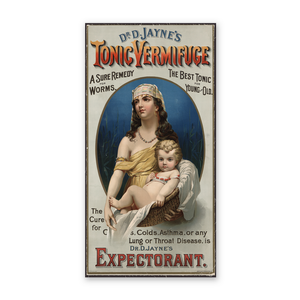 Snapshots of the Past
Historic Framed Print Vintage Get Well Print - 12, 17-7/8" x 21-7/8"
Vintage Get Well Print - 12, 17-7/8" x 21-7/8" , Image: 16" x 20"Note: Some images may show issues such as color bars or other artifacts from the digital scanning process at the Library. We clean up...$57.00 -
 Snapshots of the Past
Historic Framed Print Vintage Get Well Print - 11, 17-7/8" x 21-7/8"
Vintage Get Well Print - 11, 17-7/8" x 21-7/8" , Image: 16" x 20"Note: Some images may show issues such as color bars or other artifacts from the digital scanning process at the Library. We clean up...$57.00 -
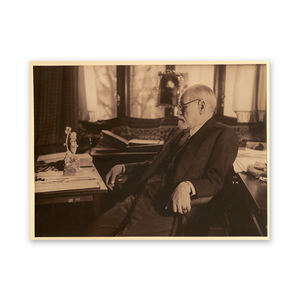 Snapshots of the Past
Historic Framed Print Vintage Get Well Print - 10, 17-7/8" x 21-7/8"
Vintage Get Well Print - 10, 17-7/8" x 21-7/8" , Image: 16" x 20"Note: Some images may show issues such as color bars or other artifacts from the digital scanning process at the Library. We clean up...$57.00 -
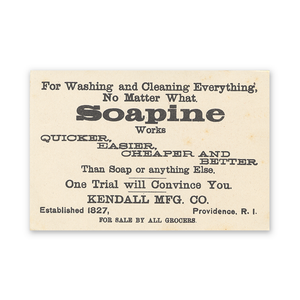 Snapshots of the Past
Historic Framed Print Vintage Get Well Print - 9, 17-7/8" x 21-7/8"
Vintage Get Well Print - 9, 17-7/8" x 21-7/8" , Image: 16" x 20"Note: Some images may show issues such as color bars or other artifacts from the digital scanning process at the Library. We clean up...$57.00 -
 Snapshots of the Past
Historic Framed Print Vintage Get Well Print - 8, 17-7/8" x 21-7/8"
Vintage Get Well Print - 8, 17-7/8" x 21-7/8" , Image: 16" x 20"Note: Some images may show issues such as color bars or other artifacts from the digital scanning process at the Library. We clean up...$57.00 -
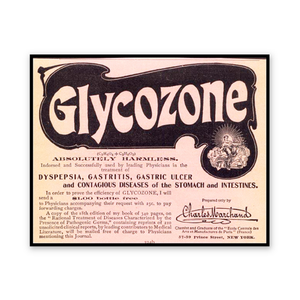 Snapshots of the Past
Historic Framed Print Vintage Get Well Print - 7, 17-7/8" x 21-7/8"
Vintage Get Well Print - 7, 17-7/8" x 21-7/8" , Image: 16" x 20"Note: Some images may show issues such as color bars or other artifacts from the digital scanning process at the Library. We clean up...$57.00 -
 Snapshots of the Past
Historic Framed Print Vintage Get Well Print - 6, 17-7/8" x 21-7/8"
Vintage Get Well Print - 6, 17-7/8" x 21-7/8" , Image: 16" x 20"Note: Some images may show issues such as color bars or other artifacts from the digital scanning process at the Library. We clean up...$57.00 -
 Snapshots of the Past
Historic Framed Print Vintage Get Well Print - 5, 17-7/8" x 21-7/8"
Vintage Get Well Print - 5, 17-7/8" x 21-7/8" , Image: 16" x 20"Note: Some images may show issues such as color bars or other artifacts from the digital scanning process at the Library. We clean up...$57.00 -
 Snapshots of the Past
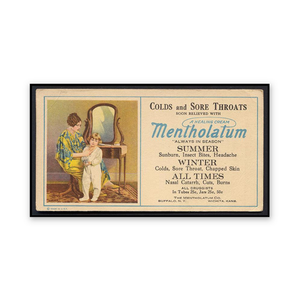
Historic Framed Print Vintage Get Well Print - 4, 17-7/8" x 21-7/8"
Vintage Get Well Print - 4, 17-7/8" x 21-7/8" , Image: 16" x 20"Note: Some images may show issues such as color bars or other artifacts from the digital scanning process at the Library. We clean up...$57.00 -
 Snapshots of the Past
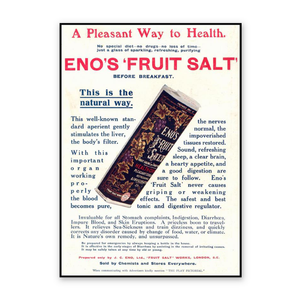
Historic Framed Print Vintage Get Well Print - 3, 17-7/8" x 21-7/8"
Vintage Get Well Print - 3, 17-7/8" x 21-7/8" , Image: 16" x 20"Note: Some images may show issues such as color bars or other artifacts from the digital scanning process at the Library. We clean up...$57.00 -
 Snapshots of the Past
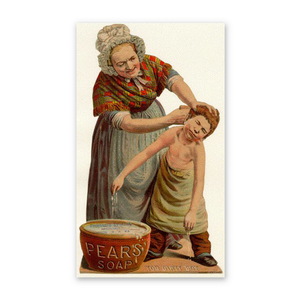
Historic Framed Print Vintage Get Well Print - 2, 17-7/8" x 21-7/8"
Vintage Get Well Print - 2, 17-7/8" x 21-7/8" , Image: 16" x 20"Note: Some images may show issues such as color bars or other artifacts from the digital scanning process at the Library. We clean up...$57.00