
Circus & Carnival
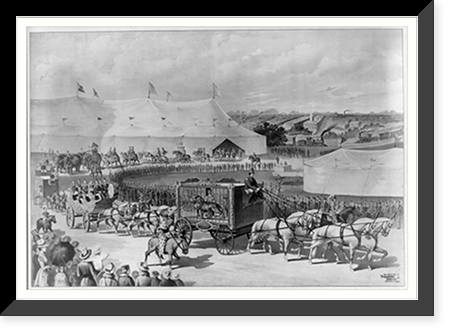
A large American circus at the turn of the century moved on its own trains, employed over a thousand people, carried several hundred animals, and set up and struck a canvas city every single day for eight months.
The logistics are the part that impresses. Ringling Brothers ran four trains of up to a hundred cars. The show arrived before dawn, unloaded onto the lot, raised a tent seating twelve thousand, performed twice, took it all down after the evening show and was gone by morning. Military staff colleges studied the operation.
The street parade was the advertising and it was free. A mile of wagons, cages, bands, elephants and a steam calliope at the end, moving through town at midday to bring people to the lot in the afternoon. The parade wagons were carved and gilded and cost more than most houses. The circus abandoned parades in the 1920s when automobile traffic made them impossible, and attendance fell noticeably.
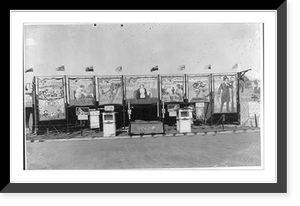
The sideshow is a harder subject and the photographs are unflinching. Human beings with unusual bodies were exhibited for money, given stage names and invented biographies, and photographed on banners twenty feet high. Some of those performers earned well, controlled their own contracts and lived comfortably. Others did not. Both things are true and the photographs do not distinguish.
The winter quarters are the other half of the year and rarely photographed. A show came off the road in November to a town in Wisconsin, Florida or Indiana, and spent five months repairing wagons, painting, training animals and rehearsing. Baraboo, Peru and Sarasota were circus towns in the way other towns were mill towns.
The carnival is a different business that looks similar. Where a circus performed under canvas to a seated audience, a carnival set up rides and games on a midway and charged per attraction, usually attached to a county fair. It descends directly from the Midway Plaisance at the 1893 Chicago exposition, which is where the model was invented.
The billing was its own art form. A show was never simply a circus — it was the Greatest Show on Earth, three rings and two stages, five continents represented, presented under the largest tent ever raised. Every phrase was fought over with rival shows, and route books were printed each season recording where the show had been and what it had taken.
The animals are the part that has aged worst and the photographs are a record of it. Elephants doing headstands, big cats in small cages, chained bears. It was completely normal and it was photographed proudly.
The route was fixed months in advance and posted publicly. A show announced its dates in each town through the winter, an advance crew papered the district with lithographs weeks ahead, and the whole enterprise depended on arriving on the day it had promised. Missing a stand was a serious matter, which is why the trains ran on their own schedules with their own crews.
For anyone working through this material, the lot photographs are the best of it. The tent going up with fifty men on the ropes, canvas being laced, the cookhouse serving, performers in costume standing about in a muddy field waiting for the show. That is the circus as it actually was, rather than as it was sold.
Six Million Acres and a Constitution



-

 Snapshots of the Past
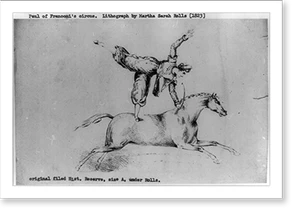
Vintage Photo Print - Circus & Carnival - Paul of Franconi's circus
This rare historical print captures Paul of Franconi's circus in remarkable detail. Sourced directly from the Library of Congress, it represents an authentic piece of documented history.Library of...$57.00 -
 Snapshots of the Past
Vintage Photo Print - Circus & Carnival - Circus days.Jill Freedman, 71
This rare historical print captures Circus days.Jill Freedman, '71 in remarkable detail. Sourced directly from the Library of Congress, it represents an authentic piece of documented history.Library...$57.00 -
 Snapshots of the Past
Historic Photo Print - Circus & Carnival - Circus clown and elephant
Step back in time with this striking reproduction of Circus clown and elephant. Sourced from the United States Library of Congress.Library of Congress record: Created 1 drawing : black ink, gray...$57.00 -
 Snapshots of the Past
Historic Photo Print - Circus & Carnival - Skating - Miss Nancy Rowe
Step back in time with this striking reproduction of Skating - Miss Nancy Rowe, a competitor in St. Paul Outdoor Sports Carnival Fancy Skating Contest, ice skating - Feb. 1st Classic. Sourced from...$57.00 -
 Snapshots of the Past
Historic Photo Print - Circus & Carnival - Sideshow at carnival
Drawn from the Library of Congress archive, this print depicts Sideshow at carnival. The only lady tattoist" on platform". The Library holds one of the most comprehensive collections of American and...$57.00 -
 Snapshots of the Past
Black & White Photo - Circus & Carnival - Koneco circus
Drawn from the Library of Congress archive, this print depicts Koneco circus. The Library holds one of the most comprehensive collections of American and international historical prints in the world...$57.00 -
 Snapshots of the Past
Historic Photo Print - Circus & Carnival - The forthcoming visit
Historic Framed Print, The forthcoming visit of the Soviet Circus artists to the Republic of Czechoslovakia, 17-7/8" x 21-7/8", Image: 16" x 20"Beautiful historic reproduction print from the...$57.00 -
 Snapshots of the Past
Vintage Americana Print - Circus & Carnival - Musicians, Russian
This rare historical print captures Musicians, Russian carnival, Petrograd Classic in remarkable detail. Sourced directly from the Library of Congress, it represents an authentic piece of documented...$57.00 -
 Snapshots of the Past
Antique Photo Print - Circus & Carnival - Original Nashville Students (1)
Drawn from the Library of Congress archive, this print depicts Original Nashville Students in alliance with Gideon's Big Minstrel Carnival. The Library holds one of the most comprehensive collections...$57.00 -
 Snapshots of the Past
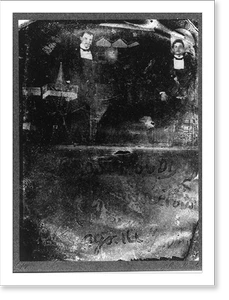
Historic Photo Print - Chicago - Houdini Brothers flea circus
Step back in time with this striking reproduction of Houdini Brothers flea circus in Chicago. Sourced from the United States Library of Congress.Library of Congress record: Created no date recorded...$57.00 -
 Snapshots of the Past
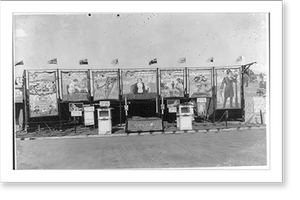
Vintage Americana Print - Circus & Carnival - Entrance to circus, 1925
Step back in time with this striking reproduction of Entrance to circus freak show, showing ticket booths and large posters. 1925. Sourced from the United States Library of Congress.Library of...$57.00 -
 Snapshots of the Past
Vintage Photo Print - Circus & Carnival - England - London
Originally preserved in the Library of Congress, this print of England - London - Piccadilly Circus is now available for your home or office. The Library has preserved this image as part of its...$57.00