
Mackinac Island
Mackinac Island sits in the strait between Lake Huron and Lake Michigan, and for two centuries it was one of the most strategically valuable pieces of ground in North America because whoever held it controlled the fur trade moving through the upper lakes.
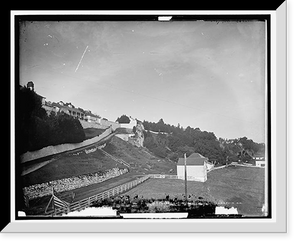
The British built Fort Mackinac on the bluff in 1780, moving it from the mainland for defensibility. In July 1812 a British force landed on the far side of the island overnight, hauled two cannon to the high ground behind the fort, and demanded surrender at dawn. The American garrison had not yet been told the war had started. They gave it up without a shot.
After the war John Jacob Astor made the island the headquarters of the American Fur Company, and for a couple of decades it was one of the busiest commercial points in the interior. That trade collapsed by the 1840s and the island had to find something else. What it found was tourists.
Steamships from Detroit, Buffalo, Chicago and Cleveland began putting in during the summer, and by the 1870s the island was a full resort. In 1875 Congress made it the second national park in the country, three years after Yellowstone. It was handed to Michigan in 1895 and became that state’s first state park, and about eighty percent of the island is still parkland.
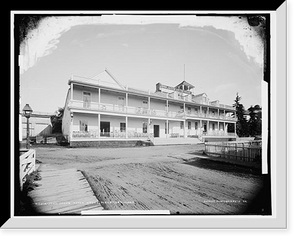
The Grand Hotel opened in July 1887 and was put up in a hurry — the frame went from ground to finished in a matter of months — with a front porch that runs six hundred and sixty feet, long enough that it is regularly claimed as the longest in the world. It is the anchor of most photographs taken from the water.
The ban on automobiles is the thing everyone remembers, and it happened in 1898. A car frightened horses badly enough near the village that the village board prohibited motor vehicles, and the state followed for the park. The ban never came off. So the photographic record here is unusual: transportation on Mackinac looks in 1950 almost exactly as it did in 1900, with drays, saddle horses and carriages, and photographs are correspondingly hard to date by the traffic.
The natural formations carry the same names they always have. Arch Rock, a limestone span nearly a hundred and fifty feet above the shore, and Sugar Loaf, a stack standing inland where an older shoreline used to be, are in more photographs than anything except the fort and the hotel.
One piece of medical history belongs to the island. In 1822 a fur trader named Alexis St. Martin was shot in the side at the company store and survived with a permanent opening into his stomach that never fully closed. The army surgeon at the fort, William Beaumont, spent years observing digestion directly through it, sometimes tying food to a string and drawing it back out. The work established most of what was then known about how the stomach functions, and the ethics of the arrangement have been argued about ever since. The store where it happened still stands and is in the photographs.
The Holiday That Had to Be Invented Twice




-

 Snapshots of the Past
Antique Architecture - MackinacIsland, Michigan - Block house, Fort
Originally preserved in the Library of Congress, this print of Block house, Fort Mackinac, & Mission Point, MackinacIsland, Mich is now available for your home or office. The Library has preserved...$57.00 -
 Snapshots of the Past
Historic Landscape - Mackinac Island, Michigan - Arch Rock
Drawn from the Library of Congress archive, this print depicts Arch Rock, Mackinac Island, Mich. The Library holds one of the most comprehensive collections of American and international historical...$57.00 -
 Snapshots of the Past
Vintage Landscape - Mackinac Island, Michigan - Sunset from Sunset Rock
Originally preserved in the Library of Congress, this print of Sunset from Sunset Rock, Mackinac Island, Mich. Classic is now available for your home or office. The Library has preserved this image...$57.00 -
 Snapshots of the Past
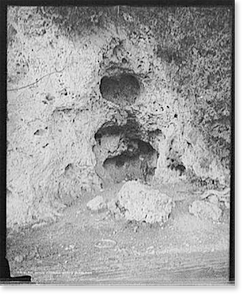
Vintage Landscape - Mackinac Island, Michigan - The Devil's Kitchen
Originally preserved in the Library of Congress, this print of The Devil's Kitchen, Mackinac Island, Mich. Classic is now available for your home or office. The Library has preserved this image as...$57.00 -
 Snapshots of the Past
Historic Street Photo - Mackinac Island, Michigan - South Boulevard
Step back in time with this striking reproduction of South Boulevard, Mackinac Island, Mich. Sourced from the United States Library of Congress.Library of Congress record: Created c1906 Corresponding...$57.00 -
 Snapshots of the Past
Antique Scenic Print - Mackinac Island - Lone birch, Mich
This rare historical print captures Lone birch, Mackinac Island, Mich., The in remarkable detail. Sourced directly from the Library of Congress, it represents an authentic piece of documented history...$57.00 -
 Snapshots of the Past
Antique Architecture - Mackinac Island, Michigan - Hotel Chippewa
Originally preserved in the Library of Congress, this print of Hotel Chippewa and fort i.e. Fort Mackinac from the dock, Mackinac Island, Mich. Classic is now available for your home or office. The...$57.00 -
 Snapshots of the Past
Antique Architecture - Mackinac Island - John Jacob Astor House
Originally preserved in the Library of Congress, this print of John Jacob Astor House, Mackinac Island is now available for your home or office. The Library has preserved this image as part of its...$57.00 -
 Snapshots of the Past
Antique Military - Mackinac Island, Michigan - Fort Mackinac
Originally preserved in the Library of Congress, this print of Fort Mackinac, Mackinac Island, Mich is now available for your home or office. The Library has preserved this image as part of its...$57.00 -
 Snapshots of the Past
Antique Military - Mackinac Island - Mackinac from the fort
Step back in time with this striking reproduction of Mackinac from the fort - 3. Sourced from the United States Library of Congress.Library of Congress record: Created c1905 Videodisc images out of...$57.00 -
 Snapshots of the Past
Historic Military - Mackinac Island, Michigan - Old Fort Mackinac
Originally preserved in the Library of Congress, this print of Old Fort Mackinac, Mackinac Island, Mich. Classic is now available for your home or office. The Library has preserved this image as part...$57.00 -
 Snapshots of the Past
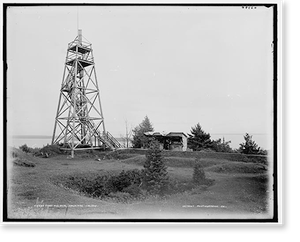
Antique Military - Mackinac Island - Fort Holmes
Step back in time with this striking reproduction of Fort Holmes, Mackinac Island. Sourced from the United States Library of Congress.Library of Congress record: Created between 1880 and 1899 Date...$57.00