
Richmond

On the night of 2 April 1865 the Confederate government left Richmond and ordered the tobacco warehouses burned so the supplies would not fall to the Union. The fire spread. By morning the commercial district was gone, and Union troops entering the city spent their first hours fighting the flames rather than anyone defending it.
Photographers arrived within days. What they made is among the most striking work of the entire war — not battlefields but a city as a shell, arches standing without buildings behind them, the Capitol intact above a district reduced to brick. Those images circulated widely in the North and shaped how the end of the war was understood.
Richmond had been the industrial center of the Confederacy, which is why it was the capital. The Tredegar Iron Works on the James River produced the majority of Confederate artillery and much of the armor for the ironclads. It survived the fire and kept working into the twentieth century, and photographs of it span both.
The Virginia State Capitol was designed by Thomas Jefferson, modeled on a Roman temple at Nîmes, and completed in 1788. It was the first public building in the country built in that style and it set a pattern that state capitols followed for a century.
Monument Avenue was laid out from 1890 as a grand residential boulevard and the statues were added over the following decades. Photographs from the period show it as an address rather than a controversy, which is the honest way to present them — the argument came later.
The James River runs through the city over falls, which is why the city is where it is: the last navigable point from the sea. The canal, the bridges and the tobacco warehouses all follow from that geography, and they are what most of the surviving photographs are actually of.
A City Laid Out Around Its Squares



-

 Snapshots of the Past
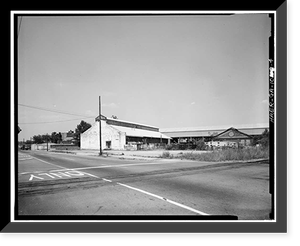
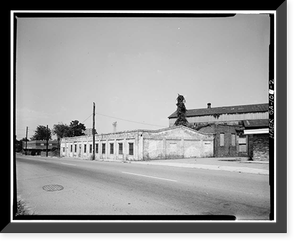
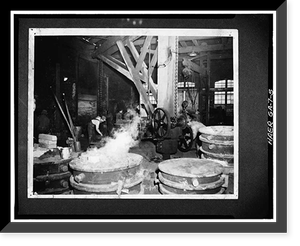
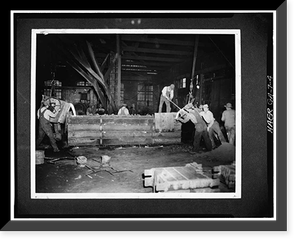
Historic Architecture - Augusta, Georgia - Hight & MacMurphy Foundry (3)
This rare historical print captures Hight & MacMurphy Foundry, 636 Eleventh Street, Augusta, Richmond County, GA - 4 in remarkable detail. Sourced directly from the Library of Congress, it represents...$57.00 -
 Snapshots of the Past
Historic Architecture - Augusta, Georgia - Hight & MacMurphy Foundry (2)
Originally preserved in the Library of Congress, this print of Hight & MacMurphy Foundry, 636 Eleventh Street, Augusta, Richmond County, GA - 2 is now available for your home or office. The Library...$57.00 -
 Snapshots of the Past
Historic Architecture - Augusta, Georgia - Hight & MacMurphy Foundry (1)
Originally preserved in the Library of Congress, this print of Hight & MacMurphy Foundry, 636 Eleventh Street, Augusta, Richmond County, GA is now available for your home or office. The Library has...$57.00 -
 Snapshots of the Past
Antique Architecture - Augusta, Georgia - Iron Works, 620-640 Twelfth (5)
Originally preserved in the Library of Congress, this print of Georgia Iron Works, 620-640 Twelfth Street, Augusta Canal, Augusta, Richmond County, GA - 5 is now available for your home or office...$57.00 -
 Snapshots of the Past
Antique Architecture - Augusta, Georgia - Iron Works, 620-640 Twelfth (4)
This rare historical print captures Georgia Iron Works, 620-640 Twelfth Street, Augusta Canal, Augusta, Richmond County, GA - 4 in remarkable detail. Sourced directly from the Library of Congress, it...$57.00 -
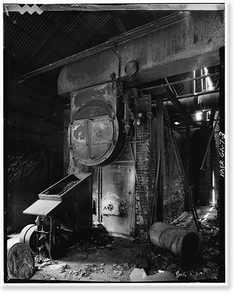 Snapshots of the Past
Antique Architecture - Augusta, Georgia - Iron Works, 620-640 Twelfth (3)
Originally preserved in the Library of Congress, this print of Georgia Iron Works, 620-640 Twelfth Street, Augusta Canal, Augusta, Richmond County, GA - 3 is now available for your home or office...$57.00 -
 Snapshots of the Past
Antique Architecture - Augusta, Georgia - Iron Works, 620-640 Twelfth (2)
Drawn from the Library of Congress archive, this print depicts Georgia Iron Works, 620-640 Twelfth Street, Augusta Canal, Augusta, Richmond County, GA - 2. The Library holds one of the most...$57.00 -
 Snapshots of the Past
Antique Architecture - Augusta, Georgia - Iron Works, 620-640 Twelfth (1)
Originally preserved in the Library of Congress, this print of Georgia Iron Works, 620-640 Twelfth Street, Augusta Canal, Augusta, Richmond County, GA is now available for your home or office. The...$57.00 -
 Snapshots of the Past
Antique Architecture - Augusta, Georgia - Enterprise Manufacturing
Step back in time with this striking reproduction of Enterprise Manufacturing Company, 1450 Greene Street, Augusta Canal, Augusta, Richmond County, GA - 2 Classic. Sourced from the United States...$57.00 -
 Snapshots of the Past
Antique Architecture - Augusta, Georgia - Water Works, Goodrich Street (3)
Originally preserved in the Library of Congress, this print of Augusta Water Works, Goodrich Street extension, Augusta Canal, Augusta, Richmond County, GA - 6 Classic is now available for your home...$57.00 -
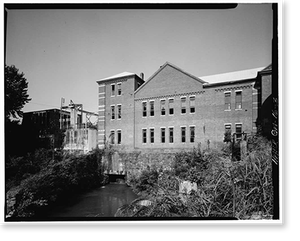 Snapshots of the Past
Antique Architecture - Augusta, Georgia - Water Works, Goodrich Street (2)
Step back in time with this striking reproduction of Augusta Water Works, Goodrich Street extension, Augusta Canal, Augusta, Richmond County, GA - 3 Classic. Sourced from the United States Library of...$57.00 -
 Snapshots of the Past
Antique Architecture - Augusta, Georgia - Water Works, Goodrich Street (1)
Originally preserved in the Library of Congress, this print of Augusta Water Works, Goodrich Street extension, Augusta Canal, Augusta, Richmond County, GA - 2 is now available for your home or office...$57.00