
San Diego
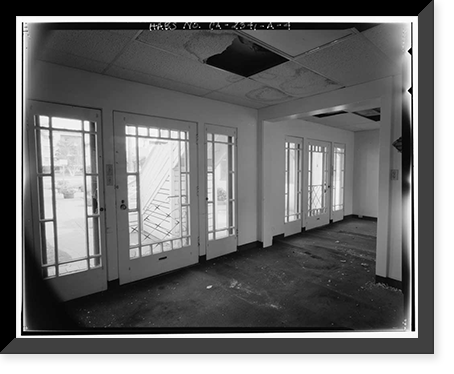
San Diego Bay is one of the great natural harbors on the Pacific coast and the reason the city exists. The Spanish landed in 1542 and founded the first mission in California here in 1769, which makes it the oldest European settlement on the west coast.
For most of the nineteenth century it stayed small. The photographs from the 1870s show a town of a few thousand at the edge of an enormous bay, with Old Town on the hill and New Town on the flats where the developer Alonzo Horton had bought nine hundred acres for two hundred and sixty-five dollars.
The Hotel del Coronado opened in 1888 across the bay, built almost entirely of wood, with a turret and a ballroom with a domed ceiling assembled without nails. It was one of the first buildings in the world lit by electricity throughout, and Edison's company did the work. It has been photographed continuously ever since and looks the same.
The Panama-California Exposition of 1915 is the city's other founding event. San Diego was the smallest city ever to host a World's Fair — under forty thousand people — and it did so to argue that it, rather than San Francisco, should be the first American port of call after the Panama Canal.
The buildings were Spanish Colonial Revival, designed largely by Bertram Goodhue, and they were so admired that the style spread across the entire Southwest. Most were built as temporary structures and most were kept. Balboa Park is what remains, and it is the reason San Diego looks the way it does.
The Navy arrived in force during and after the First World War and never left. Photographs of the harbor from the 1920s onward show a working naval base where twenty years earlier there had been fishing boats.
Around five hundred and thirty images name San Diego.
The Waterfall That Was a Honeymoon, a Tightrope and a Power Station




-

 Snapshots of the Past
Antique Architecture - Rancho Santa Fe, California - F. W. Joers House (2)
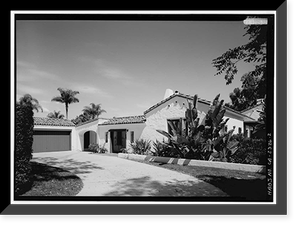
Step back in time with this striking reproduction of F. W. Joers House, 6135 La Flecha, Rancho Santa Fe, San Diego County, CA - 4. Sourced from the United States Library of Congress.Library of...$57.00 -
 Snapshots of the Past
Antique Architecture - Rancho Santa Fe, California - F. W. Joers House (1)
Drawn from the Library of Congress archive, this print depicts F. W. Joers House, 6135 La Flecha, Rancho Santa Fe, San Diego County, CA - 2. The Library holds one of the most comprehensive...$57.00 -
 Snapshots of the Past
Historic Architecture - Rancho Santa Fe, California - Santa Fe Irrigatio
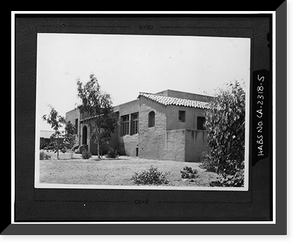
Drawn from the Library of Congress archive, this print depicts Santa Fe Irrigation District Offices, Linea del Cielo, Rancho Santa Fe, San Diego County, CA - 2 Classic. The Library holds one of the...$57.00 -
 Snapshots of the Past
Vintage Building Photo - Rancho Santa Fe, California - Samuel Bingham
Drawn from the Library of Congress archive, this print depicts Samuel Bingham House, 6427 La Valle Plateada, Rancho Santa Fe, San Diego County, CA - 2. The Library holds one of the most comprehensive...$57.00 -
 Snapshots of the Past
Antique Architecture - Rancho Santa Fe, California - Shaffer-Sherman (2)
Originally preserved in the Library of Congress, this print of Shaffer-Sherman House, 5610 La Crescenta, Rancho Santa Fe, San Diego County, CA - 2 is now available for your home or office. The...$57.00 -
 Snapshots of the Past
Antique Architecture - Rancho Santa Fe, California - Shaffer-Sherman (1)
This rare historical print captures Shaffer-Sherman House, 5610 La Crescenta, Rancho Santa Fe, San Diego County, CA in remarkable detail. Sourced directly from the Library of Congress, it represents...$57.00 -
 Snapshots of the Past
Antique Architecture - Rancho Santa Fe, California - School (Second) (2)
Drawn from the Library of Congress archive, this print depicts Rancho Santa Fe School (Second), 6024 Paseo Delicias, Rancho Santa Fe, San Diego County, CA - 5. The Library holds one of the most...$57.00 -
 Snapshots of the Past
Antique Architecture - Rancho Santa Fe, California - School (Second) (1)
Originally preserved in the Library of Congress, this print of Rancho Santa Fe School (Second), 6024 Paseo Delicias, Rancho Santa Fe, San Diego County, CA - 3 Classic is now available for your home...$57.00 -
 Snapshots of the Past
Historic Architecture - Rancho Santa Fe, California (3)
Step back in time with this striking reproduction of Rancho Santa Fe, Rancho Santa Fe, San Diego County, CA - 5. Sourced from the United States Library of Congress.Library of Congress record: 5...$57.00 -
 Snapshots of the Past
Historic Architecture - Rancho Santa Fe, California (2)
This rare historical print captures Rancho Santa Fe, Rancho Santa Fe, San Diego County, CA - 2 Classic in remarkable detail. Sourced directly from the Library of Congress, it represents an authentic...$57.00 -
 Snapshots of the Past
Historic Architecture - Rancho Santa Fe, California (1)
Step back in time with this striking reproduction of Rancho Santa Fe, Rancho Santa Fe, San Diego County, CA Classic. Sourced from the United States Library of Congress.Library of Congress record: 1...$57.00 -
 Snapshots of the Past
Historic Architecture - Rancho Santa Fe, California - Baker-Megrew (2)
Step back in time with this striking reproduction of Baker-Megrew Rowhouse, 6122 Paseo Delicias, Rancho Santa Fe, San Diego County, CA - 2. Sourced from the United States Library of Congress.Library...$57.00